
10 ways to save money and make your home more energy efficient

Limestone Sales & Lettings Office Manager Paul Neale talks about the ways to save money and help make your homer more environmentally friendly.

The talk about saving the planet and becoming energy efficient is a conversation that has been sprouting up all over the news recently, as the world become more advanced, the demand to start looking after the planet has increased. The question is, where do you start? The answer to that is to simply begin at home. The amount of energy wasted everyday in your home is a lot more than your probably realise, not only does this effect the environment, but your wallet too. In this blog you’ll discover how to make your home more energy efficient and save money.

Cool washes for the win:

Did you know that 90% of the energy used by your washing machine is used to head the water and the other 10% is used to run the machine? That is a lot of energy. To solve this problem, simply use cooler water for every load to help save a significant amount of energy.

Install solar panels:

These may not be the cheapest of things, but the return on investment is worth it. Not only does it heat hot water, but also generates electricity for your home. Long term, they will help to save money on the energy bills and promote lower fossil fuel usage.

Top ratings with Energy Star products:

If you are about to kit out your new property or jazz up your current home, then look at Energy Star products. Energy Star-qualified appliances (televisions, refrigerators, ovens, washing machines and air conditioners) use anywhere between 10-50% less energy than standard appliances and help reduce emissions of greenhouse gasses.

Hi tech= less electricity:

Once you find a desktop computer that best suits you, it can be hard to part from it, especially when tech experts recommend you replace your laptop every 4 years, that doesn’t always sound like the kind of investment you want to make. However, laptops use up to 80% less electricity and run on less energy than desktop computers. Desktops use around 175 watts, with laptops using only around 60 watts at their peak.

Take those plugs out!

For some people, keeping plugs in that aren’t being used keeps them awake at night and bothers them throughout the day and quite frankly, everyone should be concerned about it! The average charger consumes 0.26 watts of energy when not in use and 2.24 watts when connect to a phone. With a collection of unused chargers left plugged in, they can accumulate 10% of your energy bill.

Keepin’ it cool:

As simple as this next tip may sound, it can help to save 5%-15% every year off your energy bill. Turn the thermostat down. Dropping the temperature by around 3/5 degrees to get your overall house heat to around 10/15 degrees can hugely help to save money and reduce energy wasted.

Go with the slow flow:

To improve your water sufficiency, replace your shower heads with low flow ones. The conventional shower head uses 5 gallons of water per minute, but low flow heads use less than half of this. Make the change and save your water!

Here’s a bright idea…

The average home has 40 light bulbs, so there is no better time than now to get to switching you light bulbs. Take your pick from Halogen bulbs, LED bulbs or CFL bulbs to make sure your lights are energy efficient. Not only are these good for the environment, but they also offer longer lasting light.

Chuck it in the bin… the compost bin.

Compost is created by organic waste that is kept in a pile or container to compose over time. This helps to reduce the amount of waste you produce, but your fruit and vegetable compost is a great fertilizer for your garden.

Smart meters being… smart:

Smart meters are a great way to keep on track of the energy you use within your home, along with cutting out the need for meter readings. Along with telling you how much you’ve used; it also tells you how much it costs all within up-to-date real-time. You can then compare past and present use of the smart meter and see how well it is working.

So, there is everything you need to know about saving money and making your home eco-friendly. From turning down the thermo to solar panels to switching those light bulbs, all while monitoring your environment loving activities success on a smart meter. Even doing a couple of the things in this list will help to make a difference in the long time.

For more tips like these and to get the best price for your property, contact the team on 01908 234 111 or email us at info@limestonemk.co.uk


Tenant Fees Ban: Clean up your costs this Spring with Limestone

Limestone Sales & Lettings Office Manager Paul Neale talks about the upcoming changes that Limestone are putting place for Landlords over Spring.

As Spring approaches it is synonymous with change and new beginnings. Many people embark on a ‘Spring clean’, which often means an increase in dusting, cleaning around the house, but what about tidying your finances?

In our 25 years’ experience within the local property market, we have learned what best to offer to our Landlords. At Limestone, we currently offer a wide range of landlord services to help landlords manage every aspect of the tenancy lifecycle, however, we have recently revised our services to offer landlords greater flexibility and choice.

As of 1st June 2019, the Tenants Fee Act comes into force, which bans tenants letting fees in the private rented sector and sets a cap on tenancy deposits in England. Our understanding is that many agents will pass the fees that they have been traditionally charging to tenants onto Landlords. Here at Limestone, we are committed to NOT passing this cost on and you can be assured that all of our fees are upfront and transparent.

For any new managed tenancy, our charges to the Landlord will be as follows:

  • £350 + VAT – One off admin fee charged at the start of a new tenancy to a new tenant. No renewal fees to the Landlord.
  • 10% monthly commission from the rent collected.

In accordance with this restructured approach, our historic ‘Tenant Find Service’ will no longer exist as a ‘fixed service’. Any Landlord will be able to choose exactly what they want us to do based on our Tenant Find Price List that includes factors such as:

  • Internet advertising and viewings
  • Right to rent and identity verification checks
  • Moving tenant into the property
  • Informing utility companies of new tenant and meter readings and much more

Prices will start from £360 Inc. VAT

Full details of our Tenant Find Price List can be downloaded here.

With all of these exciting changes going on, why not get in touch with us and see how we can help you to manage your tenancy.

For more tips like these and to get the best price for your property, contact the team on 01908 234 111 or email us at info@limestonemk.co.uk

It takes two: How to have a good Landlord and Tenant relationship

Limestone Sales & Lettings Office Manager Paul Neale talks about what makes for a good Landlord and Tenant relationship.

Renting a property requires both the tenant and landlord to be cooperative and strive to be the best for a smooth renting process. But what really makes a ‘good’ landlord and a ‘good’ tenant?

What makes a good tenant?

  • Honesty is the best policy: No matter what you are getting yourself into in life, being honest is always the best way to be. In your role as a tenant, don’t give excuses as to why your rent is late, lie about your employment status or any damages or problems in the property while you’ve been there. Communicate in an open and honest fashion with your landlord or letting agent so that all parties are on the same page.
  • House proud: Your landlord pays you a visit- are you panicking that the place is a mess? Or are you welcoming your landlord into a smart property? Treat the place with the upmost respect – after all, it is your current home. Keeping it clean and tidy is essential in being a good tenant and is a lesson learnt for when you eventually move into a property that you own.
  • Steady income: This is an essential aspect in being able to pay your rent each month. Your Landlord can also run a credit check to see if you are in any debt, which could indicate reliability issues for paying the rent on time. If you struggle to pay your rent each month, you could face eviction, so it is important to make sure you have a reliable source of income each month and you can afford the rent payments from your salary.
  • Communication is key: Urgent matter or not, it is important that you respond to emails, phone calls and texts from your landlord or letting agent to ensure you always have good communication with them. Showing you are responsive and willing to work with them is always a good sign.
  • Be kind: Kindness goes a long way. This doesn’t mean becoming best friends with your neighbours or building a friendship with your Landlord. A simple “hello” and a smile and wave gives the people that live around you and the person you rent from a good impression of you. Being friendly during your tenancy will make the whole experience much easier, and it can also mean that if a problem does arise you’re treated a bit more generously.

What makes a good landlord?

  • Firm but fair: As a landlord, you need to keep the balance between being firm and being fair. Good landlords should keep their rental properties in order (such as organising annual gas safety checks and addressing any repairs immediately) and treat the tenant with respect at the same time (i.e. giving advance notice before visiting a tenant at the property).
  • Always be available: If you have chosen to manage the tenancy yourself, then you must be available to a tenant when needed. There is nothing more frustrating from a tenant’s point of view than not being able to reach their landlord. No matter how trustworthy your tenant is, or how big or small the problem is that they are contacting you about, things have to be dealt with right away.
  • Be transparent: A good landlord doesn’t cover things up from their tenants. You have to be honest with the property you are offering, including things that you cannot see at first glance. The history of the property such as pests, mould, plumbing etc. are key facts to inform your tenants of.
  • Document everything: You need to ensure that your tenants sign a well written, detailed tenancy agreement. Any extras such important dates and details are also vital to document (i.e. where a tenant’s deposit will be held). If something isn’t in writing, it usually can’t be enforced if it was ever needed.
  • Trust your tenants: Innocent until proven guilty right? If you do not trust your tenants to look after the property, then it’ll form a bad relationship between yourself and your tenant. By trusting them, you can use this to your advantage by having them work with you for things such as styling the property, so it is attractive to future tenants.

If both parties work with these pieces of advice, then it’ll help to make the experience smoother and easier. Besides the tenants and landlords, a letting agent can help facilitate a smooth tenancy. At Limestone, we offer a range of services including a range of tenant find services that cover areas such as checking potential tenant’s credit history to moving the tenant into the property. We also offer a ‘Fully Managed Service’ in which all you have to do is sit back and watch the money come in each month.

For more tips like these and to get the best price for your property, contact the team on 01908 234 111 or email us at info@limestonemk.co.uk

Buying a property for the first time? Here’s what to expect.

Limestone Sales & Lettings Office Manager Paul Neale talks about what you can expect as a First-time buyer and how to successfully join the property ladder.

There comes a time in everyone’s life when you invest in your first property. However, it isn’t an easy step to take; it is time consuming and means spending a lot of money. Statistics show that the average first-time buyer is aged 30, and the average UK Homeowner will pay off their mortgage by 69 years old. Due to this, many are eager to get onto the property ladder as soon as they can. As of January 2018, there were 24,500 new first-time mortgages. So, how can you become a successful first-time buyer? Here are some top tips from Limestone to you.

Put yourself in a position to buy:

This may seem like one of the first things you would prepare yourself for, but there are still many things to consider. To begin with, you need to try and save on average 5%-20% of the cost of the home you’d like. So, say you’d like to spend £150,000 for a home, you’d need to save at least £7,500. If you are sensible with your money and save more than 5%, it grants you access to a wider variety of cheaper mortgages available. Speaking of mortgages…

Shopping for a mortgage that is suited best for you is key:

Shopping for a mortgage is just as important as shopping for a house. There are many lenders with many different deals to offer, so it is important to have a good look around and weigh up your options. At Limestone, we have an exclusive relationship with Lewis Christopher, a financial advisory company that helps source a variety of mortgages including for shared ownership mortgages, no deposit mortgages, and guarantor arrangements. Find out more about their services here: https://bit.ly/2FOv9Dc

Take a look at what local estate agents have to offer – and get yourself a good relationship with them:

Understanding the different estate agents within the area that you wish to move to will help you to feel more at ease with the help of expert advice when buying your first home. At Limestone, we have 20 years’ experience in the local property market. This means that we have top knowledge and advice for first-time buyers, along with properties best suited for you to consider on our website where you can gain all of the key aspects of the properties you are interested in.

There are many other costs that come with buying a home:

Budgeting for a home and a mortgage is one thing, but it is important to budget for additional costs. This could include home insurance to protect your home, moving costs to cover moving vehicle services and extra savings in case the property you have fallen in love with needs vital renovations such as plumbing repairs or central heating installation. There are other costs such as admin fees, booking fees, solicitor’s fees, completion fees, local authority service etc. To cover your back on costs like these, you would need to save anywhere from £4,000-£15,000.

Location, location, location:

It is important to thoroughly research the area you want to live in and see if property prices are within your budget. If you struggle to find a property that you can afford within your desired location, expanding your search by even a few miles may open up new possibilities. Expanding your search criteria allows you to be more open-minded about what you want and how that lines up with what you can achieve.


At Limestone, we always have a range of properties available to buy that are suited for a first-time buyer. For example…

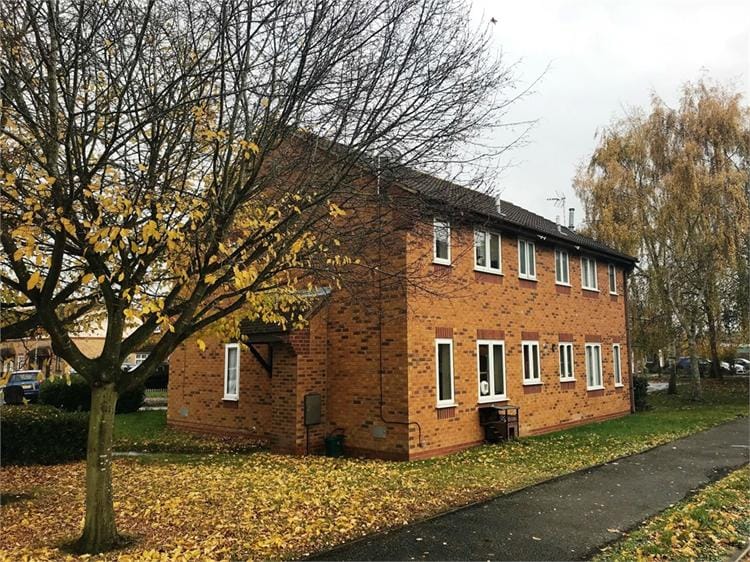
One-Bedroom cluster home in Newport Pagnell is currently available for sale within a suitable price range of £165,000. This is an ideal home for a single person or a couple to move into. It has a double bedroom with a built-in wardrobe and allocated parking space. Find out more about the property here: https://bit.ly/2U6DJ3Z

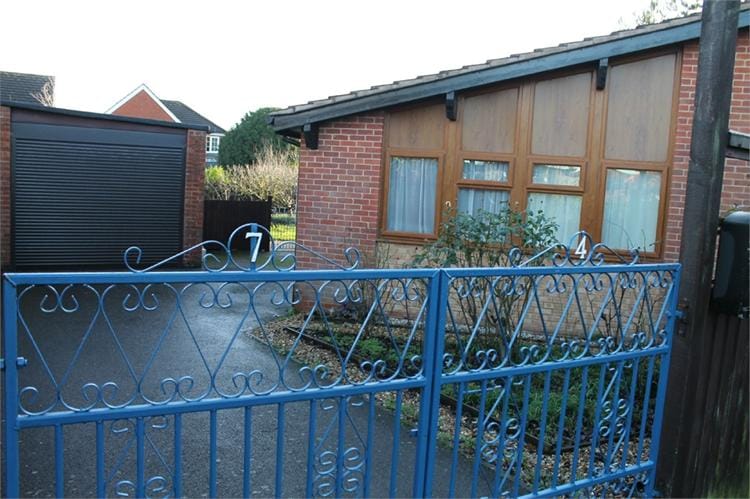
Another ideal property is this 2 bedroom bungalow in Blakelands, which is available for sale within an appropriate price range of £214,995. This property has a garage, shower room and a large rear garden, giving the opportunity for extending. View the property here: https://bit.ly/2RKpEwl

Overall, it is important to understand that you cover all costs when being a first-time buyer, from the house itself, the mortgage and additional housing costs. Keeping an open mind and levelling your expectations about the whole experience will ensure that you get the best property that you can within your budget.


For more tips like these and to get the best price for your property, contact the team on 01908 234 111 or email us at info@limestonemk.co.uk


The power of social media for sales and lettings.

Limestone Sales & Lettings Office Manager Paul Neale talks about the power and advantages of using social media to promote your sales and lettings business.

Social media is a powerful tool which can boost awareness of brands and help generate more customer leads. But how can social media specifically benefit property agents? There are actually more benefits than you’d probably realise…

By promoting your properties on social media, it allows your audience to share, tag others and react instantly to what you’re posting. This is a cost-effective way to advertise and promote your properties, all with the help of those interested in what you have to offer!

Whether you are buying your first property, the property you set to retire in or looking for a property to rent, the process of property searching is unique to every person. Therefore, having your own social media accounts for your property agency allows you to reach out to new audiences and adds a personal touch to your organisation by providing an opportunity to share what makes you stand out from your competition.

Social media does not only help you to promote the properties you have on offer, but also the services you provide – which is what we also promote! This allows our customers to get direct links to services they may need from us on our website. By keeping your customers in the know of what you have to offer as a company is just as important (if not more) as promoting what properties you have available to buy or rent. Having your customers know that you can be a helping hand from a buyer and sellers’ perspective is a massive bonus for your company.


When promoting properties via social media, give potential customers snippets of useful information. High – quality images are also a powerful asset that can immediately connect a user with a property. If you’ve also had a property on your site for a while, you can always add an alternative perspective on promoting the property by remarketing it on your social media.


Hashtags are also another great way to promote your services and properties. As you can see, we have used #property #rent and #MK, short and simple tags that relate to the tweet. These can help you massively with boosting the awareness of your property.

If a user who has never heard of your company is currently looking at the hashtag #rent and spots the property you had posted and clicks the link-result!


Another way to gain a trusted relationship with your customers and followers is by posting content other than things to do just with your own company. At Limestone we like to post top tips, latest news and useful articles to help inform our customers and share best practice. Another good content tip is to keep up with the seasons and post content related to the season you’re in help to stay relatable and relevant to your following. For example, we recently posted this on our twitter:

Not only is it relevant to something that a lot of people face in the New Year/Christmas, but it is also a third-party post, giving our customers the best advice and guidance to tackling moving out before the New Year.

Showing your customers that you have got advice for them from your own expertise and sourcing others helps to make you build a better sense of trust and a better relationship with them.

Overall, if you invest the time in social media it can become a powerful marketing tool for property agents. From boosting the awareness of your new properties to helping to build a better relationship with your customers, the opportunities and power that social media can give you are endless, so why not give it a try?


For more tips like these and to get the best price for your property, contact the team on 01908 234 111 or email us at info@limestonemk.co.uk


Is Milton Keynes really the place to be? Find out the pros of buying a property and what to expect to get for your money.

Limestone Sales & Lettings Office Manager Paul Neale talks advantages of moving and living in Milton Keynes, and what the town has to offer that other places don’t.

Milton Keynes 55 years ago didn’t even exist. But now, it has Europe’s largest indoor ski slope, the 14th biggest shopping centre in the UK and a population of 255,700 recorded in 2013, along with being rated the 8th best place to work in the UK. But what types of property can you expect to buy for your money and what areas in MK provide a good return on investment?

The first thing to consider is why people choose to move here in the first place. One feature that is attractive to many is the job opportunities; many successful companies have their head offices in Milton Keynes, such as Network Rail, Mercedes, Volkswagen, Virgin Active, Dominos and Santander to name a few. These jobs are of high demand and well paid, and right on the doorstep of MK citizens.

Another factor is the easiness of commuting from Milton Keynes. The town is located between London and Birmingham, with a train to Euston taking only 35 minutes on a direct line. This means you can work in London without the hassle of London house prices. It is also easy to commute to Oxford and Cambridge as MK is roughly in the middle of the two, along with being able to travel to as far as North Manchester due to good train and road connections. We have covered even more reasons why people move to MK in our May blog post: – https://www.limestonemk.co.uk/benefits-living-milton-keynes-people-love-mk-attracts-people-move-area/

In the area of property demand, many families have relocated to MK with young children, looking to buy or rent their first homes. Experienced buyers also often staying close to where they have bought/lived before, so the demand for homes is always high. With the average house price of £294,887 in Milton Keynes (compared to the UK average of £365,697)  and the average rent price of £500-£1,000 PCM (compared to the UK average of£900 PCM), for a town with so much opportunity and so much to offer, the pricing is decent.

However, everyone has different life situations and different budgets, but that’s not a problem in Milton Keynes as there are a variety of properties on offer.

First time buyers

For a first-time buyer, you are typically looking at buying something not too expensive or too big. A cluster home or one-bedroom home are a particular hit as you have everything you need without the big spending. Limestone are currently selling a one-bedroom cluster home in Newport Pagnell (which you can view here: https://www.limestonemk.co.uk/property-details/?pid=56245). This is a great example of what kind of first-time buyer homes are currently on the market and what you can expect for how much you’re willing to spend in.

Many first-time buyers like to live near Centre MK (central Milton Keynes and the shopping centre) to be part of the excitement and busyness the town has to offer. Locations such as Loughton, Shenley Brook End and New Bradwell all surround the centre, making them commutable areas to the city center. This means that working in the city or days out there are super easy to do, along with going to events, such as if you chose to live in Downs Barn you can see the fireworks on Bonfire Night at the Campbell Park Fair without having to deal with driving around and parking on busy roads.

Second Homes/Family Properties

For second homes or family properties there is an equal amount of options available, along with these locations being in catchment areas of the top schools in MK. Limestone currently have a suitable family home on the market in Wavendon Gate (view it here: https://www.limestonemk.co.uk/property-details/?pid=4693409) this is a good example of the type of family homes on the market in MK as it is within school catchment and has three bedrooms, all within reasonable price.

There are also places such as Shenley Church End have an average house price of £354k and have the best rated school in MK just around the corner. Another area is Bletchley, with an average house price of £279k which is within the area of Lord Grey School, the second-best school in Milton Keynes. There is also a primary school directly opposite this secondary school along with a school next door for children with disabilities.

For things to do with families, there are many parks within the area. For a stroll and a hot drink you can take a trip to Howe Park, with Shenley Wood around the corner. There are also lakes to walk around such as Furzton Lake which also has a hotel and a family friendly pub. There is also Willen Lake which has a pub, water sport activities, GoApe and a park for teenagers and one for children. These places are fantastic for days out with flexible spending.

Empty Nesters or Downsizing

For those who have had children who have flown the nest and are looking to downsize but also keep luxury, areas such as Shenley (avg house price: £375k), Hodge Lea (avg house price: £205k) and Walnut Tree (avg house price £290k) have properties suitable. Limestone currently have two bedroom home on the market (view it here: https://www.limestonemk.co.uk/property-details/?pid=4694393) which is a perfect home for empty nesters as it is small enough for a couple and space for guests, along with being in a location close to a High street, shops, petrol stations etc. There are also activities for adults, such as a trip to Bletchley Park, watch an Ice Hockey game at Plant Ice, or going for a bite to eat at The Hub. You can also join the variety of gyms in the town or take part in classes at local clubs such as the Equestrian Center in Loughton.

All in all, Milton Keynes is a town thriving with job opportunities, things to do and reasonably priced homes. With its perfect location making it so easy to commute and the ease of travelling around the town itself, its hard to see how any other place in the UK has all of these things to offer.

For more tips like these and to get the best price for your property, contact the team on 01908 234 111 or email us at info@limestonemk.co.uk

The advantages of using a Lettings Management Agent – and the struggles you face if you don’t.

Limestone Sales & Lettings Office Manager Paul Neale offers his advice on the advantages of outsourcing landlord services/lettings management for your rental property

Latest statistics released by Foundation Home Loans in August 2018, show that despite a climate of uncertainty, as many as 1 in 5 landlords have no intention of selling up. Even with factors such as a mass departure of emigrants or regulatory and tax fluctuations, 19% of Landlords owning at least 4 properties said they would remain within their field. This was the same intention for 18% of Landlords with less properties.

Our guide lists key advantages for outsourcing your rental property management and what you should look out for in choosing the right letting agent.

  • Experience is on their side:

When considering using a letting management agent, the first thing to know is how much experience the agent has that you don’t – and it might be more than you think. They can help you find a suitable tenant for your property using an extensive screening and referencing process to help you find the right person for your property. Along with this, they can help you negotiate a fair rental price. This is based on their local knowledge of the rental marketplace (including location) as well as how they market the property and who they market it to. With these factors in mind, you are able to secure the best amount of rent from your tenants in line with industry standards.

  • Preparation and Maintenance of property is under control:

Before a tenant moves in, an outsourced lettings management agent will be able to give you important pointers and top tips for improving your property, along with checking that  relevant property regulations are in place. While the tenant is living in your property, the letting agent conducts regular property checks and can fix property issues quickly to save you from having to do the job yourself. This can include annual gas safety checks, electrical safety and fire safety compliance.

  • Legal resources that keep you in the know:

Finding legal resources independently is a struggle, but is something lettings management agents excel in. They can supply you with information on the current legislation affecting landlords, along with advice on landlord insurance and tax advisory services. They also deal with secure deposit protection scheme administration, to ensure all of your tenant deposits are kept in a safe and legal TDS scheme.

  • Time management and general work load:

A huge benefit of working with outsourcing your rental property is the overall amount of time and general work load they save you from doing. They handle all of the paperwork, moving in dates, along with collecting rent (or chasing it up if need be).  They also know the correct legal process for evicting a tenant, further saving you time, effort and stress.

  • Main point of contact – always:

Most importantly, letting management is a point of contact for you all of the time. If you are having problems communicating with your tenant, they can help resolve that. If there is a problem within the home, such as a leakage or broken machine, a lettings management agent has access to 24/7 service providers to resolve any issues quickly, rather than you getting a call in the middle of the night because your tenants washing machine has flooded!

Overall, a letting management agent will have detailed knowledge and industry experience to share with you, to help make renting your property easier. They help you save time, trouble and stress. Without them, you may face struggles such as maintaining rent, choosing the best tenant for your property or keeping up to date with landlord legislation requirements. Why not contact Limestone today, and find out if we are the right letting management for you by calling us on 01908 234 111 or email us at info@limestonemk.co.uk


5 top tips for a first-time buyer – and someone you’d never think to talk to when buying a house

Limestone Sales & Lettings Office Manager Paul Neale talks tips and advantages for first time buyers to consider, and ways to save yourself from unwanted fees and other financial issues.

Buying a house for the first time is something everyone faces at some point and is undoubtedly becoming more demanding and competitive. In the first half of this year, first-time buyers purchased 985,000 single-family homes, which breaks the record since 2005. Within the second half, 512,000 houses were sold, which is a 1% increase compared to last year. However, in overall home sales there has been a decrease, which has led to an increase in interest rates and home prices; this means for first time buyers the monthly mortgage payments have risen by 12.6% year over year. Within this blog, you will learn the best ways to safely and efficiently purchase your first house.


  1. If you are interested in a house, be quick and stay up to date-

This may seem like a simple thing, but if you are interested in placing an offer or viewing a house then be sure to be quick to contact the seller; if you don’t, you will risk losing out. The kind of things that could cause this problem is things such as the house getting a high amount of offers and therefore all showings would be cancelled; this could happen in as little as a day, so make sure to avoid this.

  1. Keeping housing money in one account-

If you are buying alone you will have a bank account for housing anyways, but if you are a moving out with your other half or just a friend this in the long run makes your life as buyers a whole lot easier. With putting down deposits it means big money, and that’s hard enough to deal with; you don’t need the bank asking for proof of where the money has come from via statements every time you and your partner must transfer money to one account for the housing (which is something the bank will do). Setting up a joint account will save you this hassle and will allow with easy and clarified savings.


  1. If you are currently renting, keep your Landlord in the know-

The last thing you need is problems with your current Landlord while you’re trying to branch out and get away from the renting life. However, you will face problems if you don’t keep them up to date, such as if you plan to move out before your contract ends you could face an early termination fee, which could knock you back in your fund for a house. If the landlord is aware then you may be able to come to a sort of agreement and avoid these fees.


  1. Document everything in writing-

If you discuss something with the seller’s agent such as keeping appliances in the house like a microwave, washing machine etc. or discuss minor fixtures that the seller will do on your behalf such as changing light bulbs then it is important to not only agree to these things face to face but to also write it down, date it and sign it from all parties, in case for example you go for your final viewing and the things you agreed to are not in place for you, you can take these written documents to your attorney and get what you have agreed to. If you face any issues and there is no evidence of them being discussed, then your attorney can do nothing for you.


  1. Finalise a closing date as early as you can –

By this point, you are pretty settled on the house you are going to buy, but that doesn’t mean it is time to relax just yet. There may be factors that you consider before settling a closing date, such as having a month or so left on your renting contract, but if you do not settle a date as soon as you can, you could face charges such as an increase in interest rate, which is something that could be avoided if you locked in a date sooner. Another thing to consider with your bank is a courtesy extension, which means that if there is something that delays you moving in when you should, such as delayed paperwork, it covers you from fees for moving in later than agreed.

 
Pro tip- someone to consider:

It is easy to get caught up only in the financial side of house buying, and it is easy to forget that your home is your personal place. As important as it is to keep up contact with the seller’s agent, the bank and your landlord, you would also benefit from simply talking to a neighbour within your new area. Whether you catch them on your house viewings or driving through the area it is super handy to talk to someone first hand about where you’re about to live. Consider asking, what are the people in the community like? Are there any local events within your area? What are your local councillors, headteachers, doctors like? Remember to take this information with a pinch of salt, as it should work only to give you an idea of the area, and once settled you will enjoy that area differently to your neighbour.


It is important for you to consider all these points and will make house hunting and buying a little easier on your long journey to a successful home.


For more tips like these and to get the best price for your property, contact the team on 01908 234 111 or email us at info@limestonemk.co.uk
How to dress your home ready for sales photos

Limestone Sales & Lettings Office Manager Paul Neale shares his photography tips for selling your property.

So, you have made the decision to sell your property and now face the task of achieving the best possible price. A lot of factors will determine the valuation and final sum you can realistically expect to achieve, but one thing entirely in your hands is the effort you put into presenting your home. Wowing would-be buyers as they tour your home is one thing, but first you will need to convince someone to come and see it!

From the moment you list your property as for sale you are in competition with other sellers, and the first thing anyone is going to do is see how your home stacks up in comparison to others in the local area. The best way to make it onto someone’s shortlist in this scenario is through top quality photography. They say a picture says a thousand words, but you only need yours to say two, BUY ME!

Working with an established agency will mean you gain access to sales representatives who are experienced in taking optimum house selling photography. They will show your home in its best light and showcase its appeal, but so will many of your competitors. So, what can you do to help your agent ensure somebody puts your home on the must-see list, and avoid the dreaded maybe pile?

Firstly, time when your photos are taken well.  Choose the time of day when the front of the house is shown in a good natural light, as this will likely be the first image most will see and if it is not looking bright and attractive you risk losing interest before anyone sees the inside. Move any cars, bins or other clutter from outside the front of property, cut the grass and clean all the windows.

Once that is done, it is time to set the scene inside. Open all curtains and blinds before photography commences indoors and replace any light bulbs that may have gone out. Moving furniture around may help to make a room look more spacious but keep in mind the overall aesthetics. A common mistake is to give your imagery a show-home feel. Whilst this approach is understandable, you do not want to make the property seem cold or business like. The idea is to create a mental picture for potential buyers where they can imagine enjoying living in your home themselves, so the careful balance to be achieved is a mixture of lived in, but clean, tidy and welcoming.

Ideally, remove rugs and throws from sofas, arrange cushions neatly, set dining room tables and put away any toys, magazines or DVDs on show in living areas. Moving upstairs, ensure all beds are made and that any visible drawers and wardrobe doors are fully closed. Kitchen and bathrooms are naturally associated with hygiene, so it is imperative that these areas are spotless.

Keep toilet lids down and ensure any towels on display are neatly folded and compliment the décor. Clear all kitchen work tops and make sure there are no chopping boards on show. It is best to move bins out sight and keep all cupboards closed with appliances inside of them – dirty dishes in the sink are an absolute no-no!

For a final touch, maybe consider adding flowers around the home or a full fruit bowl in kitchen shots, it seems a moot point, but the connotations of fresh and vibrant colours could sway someone towards your property and make all the difference!

For more tips like these and to get the best price for your property, contact the team on 01908 234 111 or email us at info@limestonemk.co.uk

A Beginner’s Guide to Mortgages

Applying for a mortgage is one of the most expensive (and daunting) commitments a person can make in their lifetime. For aspiring first-time buyers, it can be difficult to navigate which mortgage is right for you or how to get a better deal when considering a remortgage or selling your property. Our guide covers the most frequently asked mortgage questions:

1. What types of mortgages are available in the UK?

When you considering mortgage products from various banks and building societies, the two main mortgage products are:

Repayment Mortgages

A Repayment Mortgage means you pay a monthly sum to your mortgage lender that pays off part of the capital you owe for your property (actual price of the mortgage sum) and the interest accrued. For example, if you set your mortgage term for a set-time of 25 years, you will gradually reduce the debt you owe and the amount of interest paid will decrease. If you keep up with your payments for the entire mortgage term, you will have no outstanding mortgage debt to pay and you will own your property outright. If you choose to re-mortgage, you should have a lower loan to value ratio (LTV) and therefore could have less to pay in mortgage costs per month.

Interest-only mortgages

An Interest-only mortgage means you only pay off the interest accrued on your mortgage each month and not the capital. Your monthly payments will only cover the costs of borrowing the money from your mortgage lender and does not go towards paying off the property. At the end of the mortgage term, you will have to pay off the capital money you owe on the property in one lump sum.

2. What is a mortgage rate and how does this affect what mortgage product I choose?

A mortgage rate is the interest rate charged when you take out a mortgage. When choosing a mortgage product, you will often find that you can get fixed rate mortgages which offer a set interest rate for a length of time (i.e. 2 years, 5 years) or a variable interest rate which can go up and down dependent on benchmark interest rate (determined by the Bank of England Base Rate or the lender). A fixed rate mortgage offers certainty to mortgage payers that their monthly interest payments will stay the same even if the benchmark interest rate rises or falls.  A variable interest mortgage will follow the standard variable rate of the bank which has made the loan which can fluctuate, meaning your monthly payments can change dependent on if the interest rate rises or lowers. Tracker mortgages also work in a similar fashion but the interest rate is determined by the Bank of England Base Rate.

3. How much will my mortgage payments be?

Monthly mortgage payments are calculated by the amount you wish to borrow, the term over which you intend to pay it off and the interest rate on your mortgage product. When looking around for mortgage deals, there are free mortgage calculators online which can work out how much you are likely to pay per month (including any mortgage fees).

4. What is an LTV ratio?

The ‘Loan to Value’ ratio is a percentage which is calculated by amount you need to borrow, divided by the value of the property and then multiply the result by 100 in order to get its percentage value. The amount of money that you put down on a property as a deposit will help to lower your loan to value ratio.

5. How much deposit do I need to secure a first-time mortgage?

There is no set rule on how much deposit is needed to secure a first-time mortgage. The more you can set aside for a deposit in savings will put your mortgage application in good standing for the best interest rate deals. Deposits in excess of 25% of the property value will generally allow for better mortgage interest rate deals, so if you have a property valued at £200,000 a 25% deposit would be £50,000. If you have a low deposit, there are ways to help you secure a mortgage including special family mortgages whereby you put in a smaller deposit amount (i.e. 10%) and a family member/guarantor adds in savings to make up the rest of the deposit. There are 95% mortgages deals which only need a 5% deposit, however, be prepared to pay a higher interest rate.

6. Family members are helping me contribute to a property deposit – does this mean I will be automatically approved for a mortgage?

A gifted deposit does not automatically entitle applicants to a mortgage agreement. Banks and building societies take many factors into account when processing a mortgage application including age, employment status, affordability tests, consideration of any existing debt (including credit cards), monetary commitments (including any children/dependents within a household) and credit scores.

7. How does my credit score affect mortgage eligibility?

A credit score is an indication to lenders as to whether you are likely to pay credit back and whether there are any risk implications in lending money to you. If you have a good credit score, you are more likely to have access to better mortgage rate deals. If you have a poor credit history (i.e. any missed credit card payments, late bill payments etc.) this could lead to some lenders refusing you credit. There are free services online including Experian and Noddle where you can check your credit score online and check your credit history to make sure there are no mistakes on your file.

8. What should I do to make sure my mortgage/remortgage application is successful?

Pay your bills on time – if you miss a payment this will be recorded as a negative on your credit file and can stay there for up to 6 years.

Keep your accounts in good standing – make sure you close any unnecessary bank or credit card accounts that are not in use.

Add your rent history to your credit file – if you are renting and always make sure you pay your rent on time, you can request that your rent payments are counted towards your credit report, meaning you could potentially improve your credit score by showing you are a good tenant.

Don’t splash out on unnecessary purchases – mortgage lenders will examine your bank statement history and will question any purchases that are deemed excessive or wasteful. Try to keep to within your living means for at least 3 months before you apply for a mortgage.

9. I already have a mortgage on a property, but would like to sell my current property to buy a bigger/smaller property – what will happen to my current mortgage and how do I secure a new one?

If you plan to sell your property, you can either adjust your current mortgage to the property which you plan to move to or you can remortgage with a new lender, which may offer you a better deal. It is worth speaking with a qualified mortgage broker or directly to your lender to see how moving will affect your mortgage. It is worth noting if there are any exit fees associated with leaving your current lender as you may be penalised for moving to a new lender.

10. Can I ‘overpay’ my mortgage?

Overpayments can be extremely beneficial in reducing the amount you owe on a mortgage. Some mortgages allow for overpayments if you have some extra money that you wish to put towards your mortgage. This can either be in the form of a lump sum or raising the amount you pay monthly. There may be penalties or payment limits which you will need to take into consideration before making any overpayments to your account.

11. Where should I go for mortgage advice?

At Limestone, we have an exclusive relationship with Lewis Christopher Ltd who are able to access 1000’s of mortgage products. Their experience and knowledge of the market is second to none and you can be assured of impartial, whole of market advice. To book a Personal Mortgage Review or find out more information, please visit our Services page.

12. What happens if I do not keep up with my mortgage payments?

If you are experiencing financial difficulty and cannot keep up with your mortgage payments, you need to get in touch with your mortgage lender as soon as possible to discuss your options. Failure to do so could lead to your home being repossessed if you do not keep up with repayments on your mortgage.